


comici MANGA: Japan Official
3.22.00 Reviews
App Specs
- Version
- 1.1.12
- Updated On
- License
- Free
- Downloads
- 100,000+
- Developer
- コミチ
- Categories
- Comics
- Platform
- Android
Screenshots


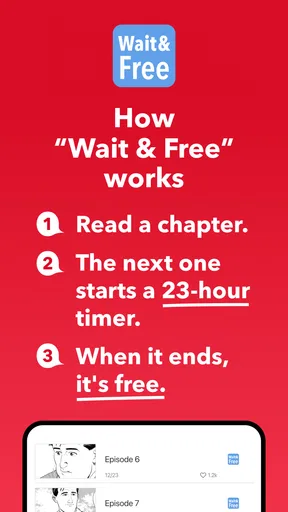
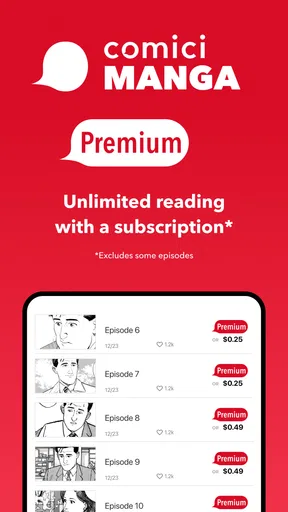




 Analysis by AppCompare
I approached comici MANGA: Japan Official as a reader who wanted a more direct way to explore Japanese comics rather than another general entertainment app. Developed by コミチ, this free comics app focuses on officially published manga from many publishers. That focus immediately makes it more interesting than a basic comic shelf, but it also means the experience is shaped by Japanese-language content, publisher availability, and the way individual titles are presented.
The app is listed for mature audiences aged 17 and over, so I would not treat it as a family reading service. It has passed the threshold of over one hundred thousand installs, while its average rating sits at 3.2 from roughly ninety ratings. That combination tells me to approach it with reasonable expectations: there is a real audience, but the experience may not feel equally polished or convenient for every reader.
Getting from installation to a useful reading session
I’d make the first session about finding one title you genuinely want to read, not mastering every part of the catalog. I’d also check the language and access details before making a purchase, so a promising cover doesn’t turn into a mismatch. Once that basic path feels clear, the next section looks at what to expect when you open the app.
What to expect when you open it
The first thing to understand is that this is not simply a digital bookshelf for manga you already own. Its identity comes from bringing together official Japanese manga material from multiple publishers. In practical terms, that makes discovery part of the appeal. You are opening the app to browse what is available, notice unfamiliar series, and decide which titles deserve your attention.
I think that distinction matters for anyone comparing it with a familiar e-reader or a single-publisher manga service. A conventional reading app may be better when you already have a carefully chosen library and want predictable access to those books. Here, the value is closer to browsing a specialized newsstand: the catalog and the way titles are surfaced influence what you read next.
The store summary presents it as official Japanese manga from many publishers, and that is the most useful way to frame the app. It is not promising a universal collection of every series, nor should you assume that a title you know from another service will automatically appear. I would install it because I want to look around its particular selection, not because I expect it to replace every manga source on my phone.
The mature age classification is also worth taking seriously before you hand the device to a younger reader. It does not tell me that every title has the same tone, but it does tell me that the app should be approached as an adult-oriented manga destination. Parents looking for a controlled starter library for children would be better served by a service with clearer family filtering and age-specific discovery.
Worth Reading Before You Choose

EA SPORTS FC Mobile 26 Is a Bigger Football Game, but It Takes Time

Flipboard Shows What News Apps Must Do Beyond the Feed

Switching to Android Auto Means Rethinking Your Driving Routine

Google Calendar Makes a Crowded Week Easier to Manage

Ludo King Makes the Most of the Minutes Between Plans

Baby Panda World Brings Quick Play to Modern Phones, but Its Game Library Feels Busy
Making the first setup less frustrating
My advice for a first session is to keep the goal small. Do not begin by trying to understand the entire catalog or decide whether this will become your permanent manga reader. Open the app, look at the available sections, and identify one title or sample that genuinely interests you. A narrow first task makes it easier to tell whether the app fits your reading habits.
Because the developer is Japanese and the service centers on Japanese manga, readers who are comfortable navigating Japanese titles will probably feel more at home. If you normally depend on translated menus, translated descriptions, or a highly familiar English-language interface, give yourself extra time to interpret what you are seeing. That is not necessarily a flaw in the comics themselves, but it can create friction before the reading begins.
I would also pay attention to how each title is presented rather than assuming that every entry follows the same commercial model. The app is free to install, yet individual in-app purchases range from forty-nine cents to four dollars and ninety-nine cents per item. That makes it important to distinguish between browsing the service and committing money to a particular reading choice.
A sensible setup habit is to decide your spending boundary before tapping any purchase control. If I am only exploring, I would start with free material or whatever preview is available, then consider a paid item only after confirming that the series, language, and reading format suit me. This simple pause is especially useful in a catalog built around many publishers, where the conditions attached to one title may not feel identical to another.
The first meaningful success: finding something worth reading
For me, the first successful action is not installing the app or opening a page. It is finding one manga that I would willingly return to. I would browse by interest rather than scrolling without a plan: look for a familiar genre, recognize a creator or publisher, or choose a title whose opening presentation gives enough context to make a decision.
Once I find a promising entry, I would read a short portion without immediately judging the whole service. The useful question is whether the app gets me from discovery to actual reading with little confusion. Can I tell what I am selecting? Is it clear whether I am opening a preview or a paid item? Does the page flow feel comfortable enough that I stop thinking about the interface? Those answers matter more than the app’s download count.
One practical workflow is to keep a small mental shortlist while browsing. Rather than purchasing the first interesting title, I would note two or three candidates, compare their descriptions and available reading options, and then choose the one with the clearest fit. This is a better use of a multi-publisher catalog than treating every attractive cover as an immediate purchase.
Another useful habit is to test the app in the situation where I actually plan to use it. If I expect to read during a commute, I would check whether the reading experience feels manageable on a smaller screen and whether I can return to the same title without losing my place. If I prefer relaxed evening reading, I would spend a few minutes with the page layout and controls before paying for a longer session. The best first success is one that reflects your normal routine, not an idealized test.
Where new users may become confused
The biggest possible confusion is the difference between a free app and free reading. The installation costs nothing, but the presence of item-level purchases means the catalog should not be interpreted as an unlimited free library. I would read the wording around each selection carefully and avoid assuming that an entire series becomes available merely because its first encounter is free.
There is also a difference between official availability and broad availability. The app’s appeal comes from legitimate manga gathered from many publishers, but publisher-based catalogs naturally vary. A reader searching for one specific international hit may be disappointed if that title is not part of the current selection. In that situation, a dedicated service known to carry that series would be a better choice than repeatedly searching here.
Language is another point that deserves an honest warning. The app’s short store description is “comici MANGA,” while its wider identity is Japanese official manga. I would not install it expecting every part of the experience to behave like a localized Western comics platform. Readers who enjoy original Japanese releases may see that as a strength; readers who need translated navigation and translated content should verify the experience for their own needs before spending money.
The rating of 3.2 is neither a reason to dismiss the app nor something I would ignore. With only a small body of public feedback, it is better treated as a signal to test the workflow personally. In my view, the rating suggests that convenience and presentation may not satisfy everyone, especially people expecting a highly polished global storefront. The app’s real value depends heavily on whether its catalog and reading path match the individual user.
How it compares with usual manga alternatives
Compared with a general comic reader, this app has a clearer cultural and publishing identity. A generic reader may be more useful for organizing files or combining books from different sources, but it will not necessarily offer the same focused route into official Japanese manga. If discovery within that specific world is your priority, the specialization here is meaningful.
Compared with a single-publisher app, the multi-publisher approach is more varied. You are not limited to one company’s editorial choices, which can make browsing feel broader. The trade-off is consistency: different publishers may bring different title availability, purchase expectations, or presentation styles. I would choose this app for variety, not for the uniformity of a tightly controlled catalog.
Compared with a large international manga subscription service, comici MANGA may appeal more to readers interested in Japanese-origin material and less to readers who want a large translated library with familiar global navigation. The larger service may be the practical winner for someone who reads mostly in English and wants one predictable monthly destination. This app makes more sense when official Japanese access and publisher variety matter more than universal convenience.
It also differs from buying individual digital volumes through a broad e-book store. A general e-book store can be better when you want permanent ownership in a familiar reading ecosystem. A specialized manga app can be better when you want discovery and a dedicated comics environment. I would decide between them based on whether I value browsing new material or keeping purchases consolidated with the rest of my books.
Who will get the most from it
I can recommend this app to readers who actively seek Japanese manga, enjoy discovering titles from different publishers, and are willing to spend a little time learning the service. It is especially suitable for someone who sees browsing as part of the pleasure of reading rather than an obstacle before reaching a known book.
It may also suit a reader who wants to sample before committing. The free installation and relatively small purchase range make cautious exploration possible, provided you pay attention to which items cost money. The key is to use the app as a discovery tool first and a purchasing channel second.
I would be more hesitant to recommend it to someone who wants a completely frictionless, English-first experience. It is also not my first choice for a child, for a reader who needs a tightly filtered family catalog, or for someone looking for one particular series with guaranteed availability. In those cases, a more localized or title-specific alternative is likely to save time.
Small habits that improve the experience
My first tip is to separate catalog exploration from buying. Spend one session learning how titles are grouped and presented, then make purchasing decisions in a later session. This prevents the excitement of a new cover from turning into an avoidable purchase that does not match your language or reading preferences.
My second tip is to judge a title by the complete route into it, not only by its artwork. Check the description, the available opening material, and the way the app identifies the reading option. In a multi-publisher environment, that route can reveal more about suitability than a cover or genre label alone.
My third tip is to use a repeatable reading routine. Pick one title, read enough to decide whether the page presentation works for you, and then return to the same title later. This helps answer a question that browsing cannot: whether the app remains comfortable after the novelty wears off.
My fourth tip is to keep purchases selective. With item prices reaching four dollars and ninety-nine cents, several casual taps can change the value calculation quickly. I would reserve paid items for series I have already sampled or for titles that are difficult to find through my usual alternatives.
Finally, I would keep the current version in mind when troubleshooting the experience. The app is at version 1.1.12 and supports devices running Android 7.0 or later. That broad compatibility is helpful for people using older Android hardware, although an older phone can still make image-heavy comic pages feel less comfortable than they would on a newer screen.
My recommendation after using it
comici MANGA: Japan Official has a clear reason to exist: it gives readers a focused place to explore official Japanese manga connected to many publishers. I like that identity more than I would like an app trying to be every kind of comic service at once. The strongest part is the possibility of finding material outside my usual reading path.
At the same time, I would not call it an automatic recommendation for everyone. The mature age classification, Japanese focus, item purchases, and modest average rating all point toward a service that rewards the right audience rather than pleasing every reader. The free download removes the biggest barrier to testing it, but it does not remove the need to check title availability, language, and purchase details.
My final advice is simple: install it if your interest begins with Japanese manga and publisher variety. Give yourself one focused session to find a title, understand how access works, and read enough to judge the interface. If that first meaningful reading experience feels natural, the app can become a useful discovery companion. If you mainly want translated bestsellers, family-safe browsing, or a guaranteed single-title search, I would choose a more specialized alternative instead. Its best feature is not universal convenience; it is the chance to discover official Japanese comics on their own terms.
Pros
- Official manga releases provide reliable translations and source material.
- Large catalog covering popular Japanese series and niche titles.
- Clean reading interface with adjustable viewing preferences.
- New chapters can arrive quickly after their Japanese release.
- Supports legal access to manga from participating publishers.
Cons
- Availability of titles and chapters may vary by country.
- Some content requires separate purchases or a paid subscription.
- Offline reading may be limited to selected titles or plans.
- The app may contain ads or promotional banners during browsing.
- Older devices may experience slower loading with image-heavy chapters.
FAQs for comici MANGA: Japan Official
What is comici MANGA: Japan Official?
comici MANGA: Japan Official is a manga-reading application focused on officially published Japanese comics. It is designed for readers who want to discover serialized manga, browse different titles, and read available chapters through a mobile-friendly interface. The catalog, reading availability, and language options may vary by region, licensing agreements, and the publisher’s current release schedule.
Is comici MANGA: Japan Official free to download and use?
The application can generally be downloaded without an upfront installation fee, but that does not necessarily mean every manga or chapter is completely free. Some content may be available at no cost, while other chapters can require in-app purchases, digital tickets, subscriptions, or another payment method. Check the title page and purchase information carefully before confirming any transaction.
Can I read manga offline with comici MANGA: Japan Official?
Offline reading depends on the features enabled for each title and the current version of the application. If a download option is provided, chapters may need to be saved while you are connected to the internet and could remain accessible only inside the app. Downloaded content may also expire or become unavailable because of licensing restrictions, so do not assume that every chapter can be permanently stored.
Does the app offer manga in English or other languages?
The availability of English translations and other languages depends on the specific manga, publisher rights, and the country associated with your app store account. Because the service is connected to official Japanese manga distribution, some titles may primarily be presented in Japanese. Review the app description, title details, and sample pages to confirm the language before downloading or purchasing a chapter.
Is comici MANGA: Japan Official safe and suitable for children?
Using an official manga platform is generally preferable to accessing comics through unauthorized websites, but suitability still depends on the individual title. Manga can include mature themes, violence, romance, or other age-sensitive material. Parents should check the store’s age rating, review each series description, and use device-level purchase controls if children will access the application or share the same account.


